If you are buying your first home in DC, Mount Pleasant can feel like a smart middle ground. It offers the character and walkability many buyers want, but condos and co-ops here also come with details that can shape your budget, financing, and long-term plans. If you want to understand how these homes work before you make an offer, this guide will help you compare options and ask better questions. Let’s dive in.
Mount Pleasant has a distinct identity within Ward 1. DC Planning describes it as a neighborhood known for unique townhouses, a strong international cultural mix, and leafy streets near the National Zoo and Rock Creek Park. For many first-time buyers, that mix of character and convenience is a big part of the draw.
It is also a highly walkable place to live. Current market snapshots show a Walk Score of 92, which helps explain why buyers often look here when they want easy access to shops, dining, and daily errands without relying heavily on a car. In practical terms, Mount Pleasant can support a lifestyle that feels connected and efficient.
In the current market snapshot, Mount Pleasant has 17 condos for sale with a median listing price of $527,000 and a median 51 days on market. That places it above Columbia Heights at $490,000 and Petworth at $419,000, but below Adams Morgan at $565,000. For a first-time buyer, that comparison can help you decide how much neighborhood priority matters in your search.
The typical condo or co-op here is often compact. Current sample listings range from 449 to 934 square feet, with many 1-bedroom and 2-bedroom layouts. That means you may need to think carefully about how you use space, especially if you want room for a home office, guests, or future flexibility.
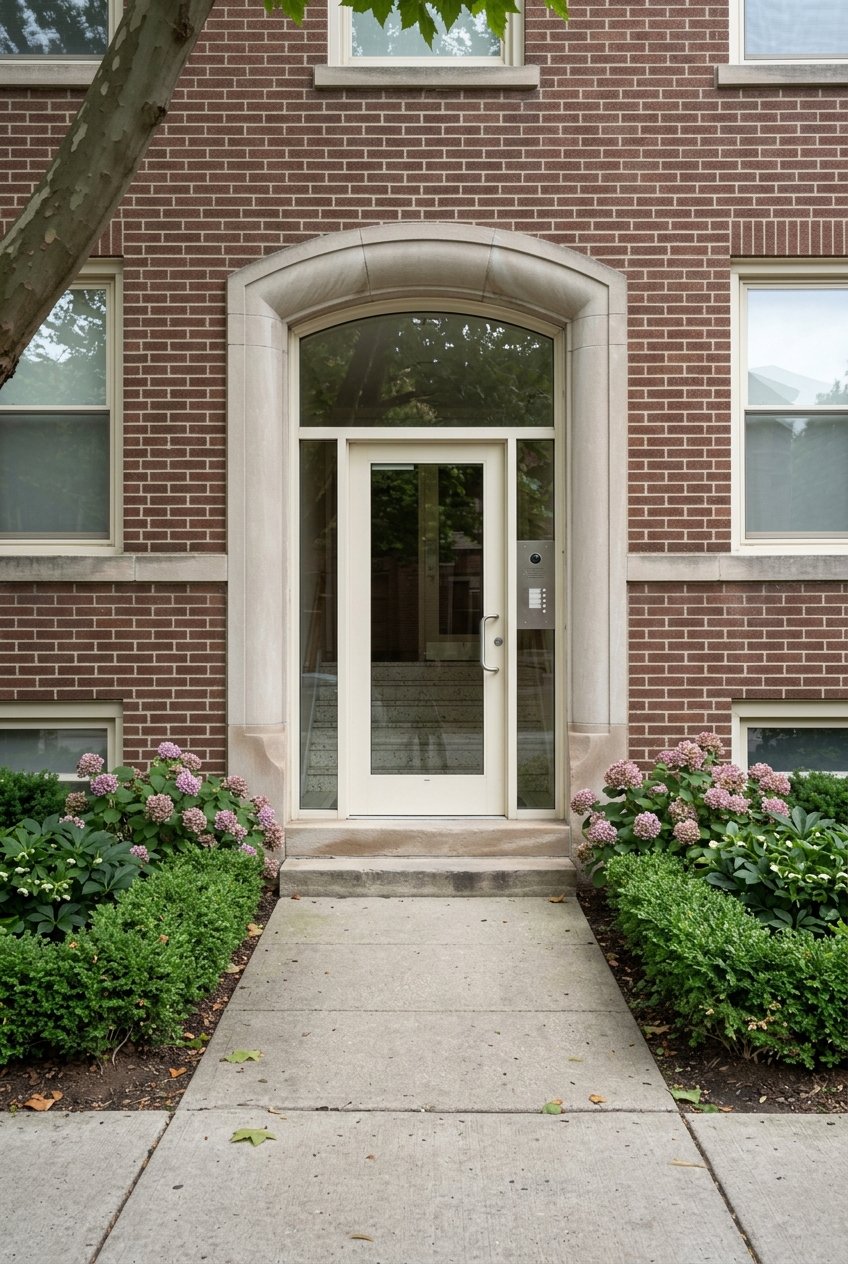
The building stock also varies. Many properties are in pre-war buildings from the 1910s and 1920s, while a smaller number are in newer boutique condo buildings. That age mix can be appealing if you love historic character, but it also makes the building’s finances and maintenance story especially important.
In DC, a condo buyer owns the unit itself plus an undivided interest in the common elements. In plain English, you own your apartment and share ownership of things like the lobby, roof, hallways, and other common areas. This structure is usually easier for first-time buyers to understand because it looks more like standard homeownership.
A co-op works differently. Instead of owning the unit directly, you own shares in a corporation or trust that holds title to the building, and those shares give you the right to occupy a specific unit through an occupancy agreement or proprietary lease.
That difference matters because it affects financing, paperwork, and building review. Co-op purchases are often more document-heavy than condo purchases, and lenders may pay close attention to how the building is structured and whether the project meets lending standards.
With either property type, your lender will likely look beyond your personal finances. They may also review the building or project itself, including budget strength, reserve strength, and owner-occupancy mix. This can matter even more in co-ops and in newer or recently converted condo projects.
For co-ops, the lender may need to confirm that your share ownership and occupancy rights are properly documented and remain valid through the full loan term. If project information is incomplete or inconsistent, that can make affordable financing harder to secure. For a first-time buyer, this is one reason it helps to understand the building early rather than late in the process.
DC also offers a local program that may help with affordability. The Home Purchase Assistance Program can be used to buy condominiums or cooperative units, and eligible applicants may qualify for interest-free loans, including up to $202,000 in gap financing and $4,000 in closing-cost assistance.
It is easy to focus on the listing price and overlook the monthly fee. In condos and co-ops, those fees are usually separate from your mortgage payment, and they can range from a few hundred dollars to more than $1,000 per month.
In the current Mount Pleasant sample, monthly fees range from $188 to $936.61. That is a meaningful spread, especially for a first-time buyer working within a tight monthly budget. Two homes with similar prices can feel very different once you add the fee.
Co-op fees can feel especially all-in. One current Mount Pleasant co-op listing notes that the monthly fee includes management, insurance, reserves, snow removal, trash, sewer, common area maintenance, lawn maintenance, and water. In some co-ops, property taxes may also be folded into the dues structure.
When you compare homes, look at the full monthly picture:
A lower list price does not always mean a lower monthly cost. In Mount Pleasant, that distinction can be especially important because building types and fee structures vary so much.
If you are buying a resale condo in DC, the seller must deliver the condo instruments and a resale certificate within 10 business days after the contract is executed. That certificate must disclose important items such as the status and amount of reserves, approved capital expenditures not yet reflected in the budget, the current financial statement and operating budget, pending suits or judgments, insurance coverage, and any remaining lease term if the unit is in a leasehold structure.
This is not just technical paperwork. These documents can help you spot whether a building is planning major work, whether reserves appear thin, or whether there are legal or insurance issues that deserve a closer look. If the required documents are not delivered on time, DC law gives the buyer cancellation rights before conveyance.
Reserves are funds set aside for future building needs. Assessments are charges collected to pay for shared building expenses, including reserve funding and other lawful association costs.
For a first-time buyer, the key question is whether the building seems prepared for future repairs and capital work. Thin reserves or large approved projects that are not yet reflected in the budget can be signs that more costs may be coming.
Even if you plan to live in the home for years, it is smart to think ahead. DC law allows condo associations to reasonably restrict leasing of residential units. That means a building may have rules about whether you can rent the property later, how long a lease must be, or how many units in the building can be rented at one time.
This matters if you want flexibility in the future. If your job changes, your household needs shift, or you later decide to keep the home as an investment, rental restrictions could shape your options. Always verify the building’s lease rules in writing before you move forward.
Mount Pleasant often attracts buyers who want a specific neighborhood feel and are willing to pay a bit more for it. Based on the current market snapshot, its median condo list price is higher than Columbia Heights and Petworth, but lower than Adams Morgan. That gives you a useful reference point if you are trying to balance location, size, and monthly cost.
Walkability is also part of the equation. Mount Pleasant’s Walk Score of 92 is slightly below Columbia Heights and Adams Morgan, both at 96, but above Petworth at 86. If you are choosing among nearby neighborhoods, this helps explain why Mount Pleasant continues to draw interest from first-time buyers who want both neighborhood character and everyday convenience.
Before you make an offer on a Mount Pleasant condo or co-op, focus on these practical questions:
These questions can help you avoid surprises and compare homes more confidently. They also give you a better sense of which buildings are likely to fit your budget and your plans.
Mount Pleasant offers a compelling entry point for buyers who want walkability, character, and a neighborhood with a strong sense of place. The right condo or co-op can be a great first home, but the best choice usually comes from looking past the listing photos and into the building itself. If you want help sorting through Mount Pleasant options and understanding how the numbers and documents fit together, connect with Megan Conway to schedule your neighborhood consultation.
With an extensive network at their fingertips, the Conway Group has developed trusted relationships to provide a streamlined experience from start to finish, while keeping clients at the forefront of every step toward success.
Contact UsAddress
5471 Wisconsin Ave., #300
Chevy Chase, MD 20815