Thinking about listing your Capitol Hill rowhouse in the next year? With a few targeted updates, you can lift your sale price and shorten time on market without taking on a full renovation. Selling here is about balance: preserving historic charm while delivering the fresh, move-in-ready look buyers expect. In this guide, you’ll learn which projects pay back, how to time them, what to know about historic rules, and how to fund work with less upfront risk. Let’s dive in.
Read the Capitol Hill market
Capitol Hill is a high-demand, rowhouse-led market. Public portals often show different snapshots because they use different methods and time frames. As of February 2026, Redfin reported a median sale price around $849,000, while Zillow showed an average home value near $894,000 in early 2026. Realtor.com posts a different median. Treat these as context and use a fresh MLS comp set for the most accurate pricing when you are closer to listing.
When you meet with a local agent, review the last 6 months of comparable Hill rowhouse sales on your block and nearby streets. That comp set should guide your scope and finish choices. The goal is to meet or exceed the condition of top-performing comps without outspending the neighborhood.
Respect rowhouse character
Most Hill homes are late-19th and early-20th-century brick rowhouses with original wood floors, fireplaces, bay windows, and double-parlor plans. Preserving visible historic details while updating kitchens and baths is often the winning mix. For a deeper look at typical styles and elements, the Capitol Hill Restoration Society documents neighborhood architecture and preservation context on its history and preservation page.
If your home is within the Capitol Hill Historic District, exterior changes visible from the street often require review by DC’s Historic Preservation Office and sometimes the Historic Preservation Review Board. That includes front doors, windows, stoops, and masonry. Build in extra time and consult the city’s Historic District Guidelines before you commit to materials or a start date.
High-ROI updates that work
Exterior curb appeal wins
- Front door upgrade. Remodeling Magazine’s Cost vs Value data shows a steel entry door replacement with standout ROI nationally, with a typical resale value well above cost. A historically appropriate door, polished hardware, and warm, bright lighting can create a strong first impression. In historic areas, confirm style and material compatibility with HPO early.
- Masonry and stoop care. Repoint deteriorated mortar, repair minor facade cracks, and clean the stoop. Buyers read brick and stone condition as a signal of overall maintenance, which supports both price and confidence.
- Landscaping and lighting. Fresh planters, trimmed shrubs, swept steps, and tuned-up exterior lighting are low-cost, high-impact moves that photograph well and boost curb appeal.
Interiors that pay back
- Refinish hardwood floors. NAR’s Remodeling Impact Report found refinishing hardwoods delivered the highest cost recovery among interior projects at about 147% nationally. Many Hill homes have beautiful original wood that shines with a sand-and-finish. Get at least two local bids to confirm timing and price before you plan staging. Read the NAR report.
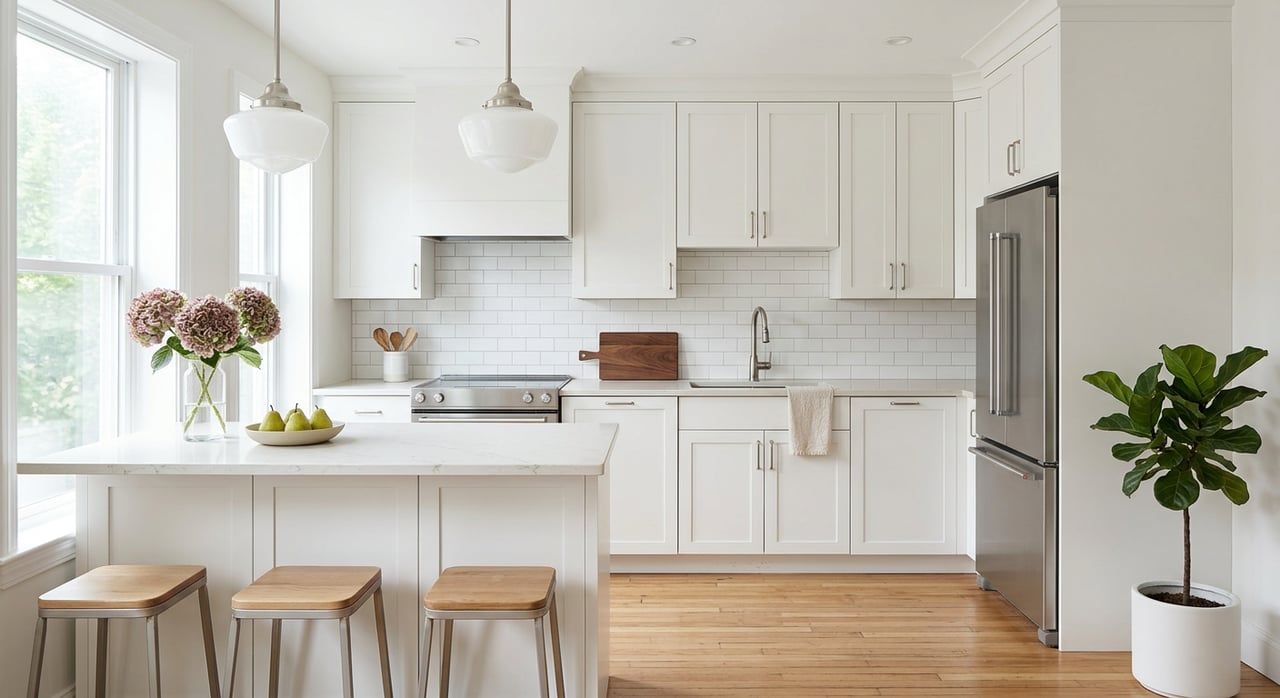
- Minor kitchen refresh. Cost vs Value’s “Minor Kitchen Remodel | Midrange” shows a strong national recoup of about 113%. Think cabinet paint or refacing, modern hardware, a durable neutral countertop, updated lighting, and a fresh backsplash. Save the full gut for cases where comps support a significant price jump. Explore national benchmarks at Cost vs Value.
- Midrange bath remodel. A layout-preserving update often pays best, with national averages around 80% recouped. Focus on clean tile, good lighting, a quality vanity, and functional fixtures buyers can trust.
- Paint, lighting, and minor carpentry. Fresh neutral paint, brighter bulbs, new dimmers, and a few targeted repairs lift photos and in-person impressions for a modest spend.
Staging that sells
NAR’s 2025 Profile of Home Staging found that 83% of buyers’ agents said staging makes it easier for buyers to visualize a property as their future home. 29% observed a 1 to 10 percent increase in offers on staged listings. The living room, kitchen, and primary bedroom deliver the biggest lift. Median professional staging cost reported was about $1,500. See the study highlights in NAR’s 2025 staging report.
Rowhouse staging tips for Capitol Hill:
- Show the front parlor as an inviting living space with scaled furniture. Keep pathways clear to highlight the flow to the dining room and rear kitchen.
- Brighten the first floor. Remove heavy drapery, polish window panes, and layer warm lighting to counter narrow-room shadows.
- Basements sell when they feel purposeful. Stage as an office, media room, or fitness space only if finished to a proper standard. Avoid labeling an area as a bedroom unless legal egress is present.
Avoid over-improving
Large additions and upscale gut renovations often have the lowest percentage cost recovery in the Cost vs Value data. On the Hill, major reconfiguration can involve historic review plus structural and permitting complexity. Unless your comp set clearly supports a much higher price tier, keep scope midrange and focus on presentation. High-end custom features rarely pay back in full if neighborhood pricing does not support them.
Your 12-month prep plan
9 to 12 months out
- Meet with a local listing agent who understands Capitol Hill’s historic and rowhouse context. Ask for a comp-driven scope plan and a pre-list timeline.
- Order a pre-sale home inspection to flag roof, HVAC, plumbing, electrical, foundation, and masonry needs. This helps you prioritize and budget.
- If planning exterior work and you are in the Historic District, contact HPO for early guidance using the city’s Historic District Guidelines.
4 to 9 months out
- Schedule projects with longer lead times: masonry repointing, stoop repairs, permitted exterior work, floor refinishing, and midrange kitchen or bath updates.
- If you plan to use a brokerage-funded program like Compass Concierge, discuss it with your agent now so vendor onboarding and scheduling can start quickly.
1 to 3 months out
- Complete paint, lighting swaps, hardware updates, deep cleaning, and yard refreshes.
- Select a professional stager for the living room, kitchen, and primary bedroom. Coordinate delivery dates with photography and video.
- Work with your agent on listing copy, a features sheet, and a strategic “coming soon” plan to build early demand as work wraps.
0 to 30 days
- Finalize show-ready details: fresh linens and towels, clear counters, organized closets, and tuned-up doorbells and locks.
- Confirm bulbs are consistent and bright throughout. Replace any humming or mismatched fixtures.
- Stage porch and rear outdoor areas with simple seating to show usable space.
Smart budget benchmarks
National benchmarks can help you frame a budget before you get local bids. Actual DC costs will vary.
- Professional staging: median about $1,500 per NAR’s 2025 staging study.
- Minor kitchen remodel, midrange scope: national job cost about $28,458 with roughly 113% recouped on average.
- Midrange bathroom update: national job cost about $26,138 with roughly 80% recouped.
- Steel entry door replacement: national job cost about $2,435 with roughly 216% recouped.
- Hardwood refinishing: NAR reports the highest interior cost recovery at about 147%. Get two to three local quotes to confirm scope and timing.
Reference data sources: NAR’s Remodeling Impact Report and Remodeling Magazine’s Cost vs Value for national averages. See details here: NAR Remodeling Impact Report and Cost vs Value.
How Compass Concierge helps
A brokerage program like Compass Concierge can let you complete staging, painting, flooring, landscaping, and other listing-ready work with no upfront payment due in most markets. Per program materials, costs are typically repaid from your sale proceeds. If the sale does not occur within program limits or the listing ends, repayment can be due at that time or at 12 months. Financing is provided or arranged by affiliated partners, subject to credit approval and local terms.
For Capitol Hill sellers, this can be a practical way to de-risk pre-sale investments that data shows are most likely to pay back. Confirm that any exterior work meets Historic District requirements, since all Concierge-funded work must follow local permits and reviews. Ask your agent to walk you through the program agreement and a clear repayment example before you start.
Show-ready checklist, 30 days out
- Declutter surfaces and closets to maximize perceived space.
- Touch up paint at high-traffic corners and trim.
- Replace any cracked switch plates and polish door hardware.
- Service HVAC and replace filters for fresh air and quiet operation.
- Power-wash walkways and sweep the stoop. Add seasonal planters.
- Create a simple, labeled features sheet for buyers and agents.
Ready to maximize your sale?
If you are 6 to 12 months from listing, a focused plan can add real value: refinish floors, refresh paint, stage key rooms, and fix the entry. Then target a midrange kitchen or bath update if comps support it. If you want a clear, comp-driven plan and hands-on help with staging, vendors, and funding options, connect with Megan Conway for a neighborhood consultation.
FAQs
What projects add the most value before selling a Capitol Hill rowhouse?
- National data points to refinished hardwoods, a minor kitchen refresh, a midrange bath update, and a strong front entry as reliable payback projects, paired with professional staging for maximum impact.
Do I need approval for exterior changes in the Capitol Hill Historic District?
- Often yes; exterior work visible from the street like doors, windows, stoops, and masonry typically needs HPO review, so build in extra time and consult DC’s Historic District Guidelines early in your planning.
Is a full upscale kitchen gut worth it for resale?
- Usually not; Cost vs Value data shows major upscale remodels often recoup less per dollar than midrange updates, so match your scope to neighborhood comps and focus on presentation.
Does staging really change buyer behavior?
- According to NAR’s 2025 study, 83% of buyers’ agents said staging helps buyers visualize living in the home and 29% saw a 1 to 10 percent increase in offers on staged listings, with living room, kitchen, and primary bedroom as top priorities.
How does Compass Concierge reduce upfront risk for sellers?
- The program typically advances funds for listing-ready work with zero due until closing in most markets, then repayment occurs from proceeds or at a program deadline, subject to credit approval and specific terms your agent can review with you.