Menu

Leave a Message

Thank you for your message. We will be in touch with you shortly.

Capitol Hill Rowhouse Styles: Buyer’s Field Guide

12/4/25

Shopping for a Capitol Hill rowhouse can feel like learning a new language. You might love the character, but the styles, layouts, and renovation rules can be confusing. This field guide will help you quickly spot the main rowhouse types, understand how they live day to day, and plan smartly for permits, costs, and value. Let’s dive in.

How to spot each style

Federal rowhouses

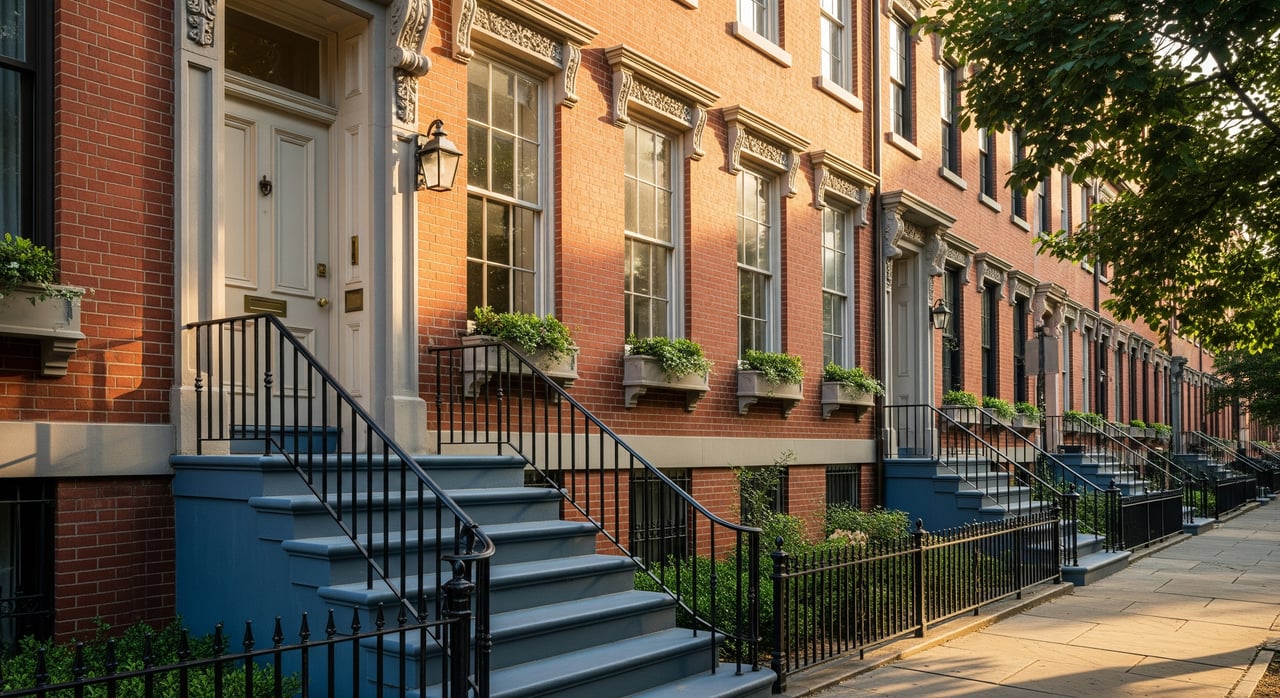
Federal homes are some of the Hill’s earliest, typically from the early to mid 1800s. Look for a simple brick façade, a high stoop that lifts the parlor level, and symmetrical windows with restrained trim. Inside, you often find a center or side hall, two rooms deep per floor, and tall narrow windows.

What to expect: rooms can feel formal and well proportioned, but narrower than later styles. Raised basements may hold kitchens or bonus living space. Many need wiring, plumbing, or heating upgrades. These shine if you love classic details and you are comfortable modernizing systems while keeping original plaster, floors, and trim.

Victorian and Eastlake rowhouses

Built mostly in the 1870s to 1890s, these homes turn up the ornament. You will see bay windows, decorative brackets, patterned brick, and sometimes small porches. Interiors often feature parlors with bay windows, original mantels, and a memorable staircase.

What to expect: deeper floorplans and sometimes quirky room shapes from bays and gables. Attics may be finished or convertible. Restoring trim and millwork can be rewarding yet costly. If you value period detail and you are willing to preserve it, this style offers charm with creative layout potential.

Wardman rowhouses

From the early 1900s, Wardman-era homes tend to be wider and larger, with bigger windows and classical brick detailing. These were planned for more modern living by the standards of the time.

What to expect: bigger basements and adaptable layouts that lend themselves to open kitchens, extra baths, and more bedrooms. Systems may still need updating, but reconfiguration can be more straightforward. If you need space and flexibility within an historic shell, Wardman is a strong fit.

What living in each feels like

  • Parlor level: In many homes with a high stoop, the raised first floor holds the main living and dining rooms with 9 to 12 foot ceilings. This level feels bright and formal.
  • Garden or basement level: Kitchens, family rooms, utilities, and laundry often live here. Some basements are partially below grade with limited windows.
  • Upper floors: Bedrooms and bathrooms, with some attics finished for extra bedrooms or storage.

Federal homes usually feel intimate and efficient. Victorian/Eastlake homes bring more decorative features and deeper plans. Wardman homes trend larger, with layouts that are easier to update.

Outdoor space and parking reality

  • Rear yards: Narrow and long is common. These are great for gardening, play areas, and a small deck. Rear additions depend on lot depth and historic review.
  • Front stoops and small front yards: Changes here are typically regulated in the historic district.
  • Roof decks: Popular for private outdoor space and views. You will need permits, and if visible from the street, historic review may apply.
  • Alley access: Some lots back to alleys with potential for a garage or parking pad. Availability and use can be limited by District rules.
  • Off-street parking: Not guaranteed on older rowhouses. Many buyers rely on street parking unless a property has alley or garage access.

If outdoor living, a roof deck, or off-street parking is non-negotiable, focus on larger Wardman homes or listings with alley access and an existing pad or garage.

Renovation and permits on the Hill

Capitol Hill is a designated historic district. Exterior changes often require review by the DC Historic Preservation Office and the Historic Preservation Review Board. Interior work has more flexibility, but structural limits like party walls and lot depth still shape what is possible.

You will also need building, electrical, plumbing, and zoning permits through the DC Department of Buildings for most work. Plan extra time when exterior changes are involved, since historic review and permits can add weeks or months.

Common issues to inspect

  • Party walls and foundations: Look for cracking, moisture, and settlement.
  • Parapets and chimneys: These are frequent maintenance items in older brick construction.
  • Old systems: Many pre-1950 homes need electrical and plumbing upgrades.
  • Basements: Ask about water intrusion history and any sump or waterproofing work.
  • Lead paint and asbestos: Likely in pre-1978 homes; follow proper abatement protocols when disturbing materials.

Typical project costs

  • Kitchen remodel, mid-range: about $60,000 to $150,000+ depending on size and structural work.
  • Full gut renovation, interior only: roughly $150 to $400+ per square foot based on finish level and complexity.
  • Rear bump-out or single-story addition: about $80,000 to $250,000+ depending on scope and foundation.
  • Roof deck with structure, rails, stair, and permits: about $20,000 to $80,000+.
  • Basement waterproofing and finish: about $20,000 to $100,000+ depending on egress and systems.
  • Electrical panel upgrade and partial rewiring: about $5,000 to $25,000+.
  • Boiler or HVAC replacement: about $7,000 to $25,000+.

Historic-sensitive materials and workmanship can add cost. Labor and permitting in DC are often higher than national averages, so build in contingency.

Price and value drivers

On Capitol Hill, price is driven by size, finished square footage, number of full baths, basement and attic usability, proximity to Metro and neighborhood amenities like Eastern Market and Barracks Row, overall condition, parking, and architectural significance. Larger, well-renovated Wardman and Victorian homes often command a premium because they combine scale with updated systems.

Features that can move a home from mid-range to premium include a permitted rear addition, a finished basement with a separate entrance, two or more full bathrooms, off-street parking, and careful restoration of historic details.

Match your lifestyle to the right style

  • Commuters and first-time buyers: Consider smaller Federal or Victorian homes with minimal renovation needs and strong walkability.
  • Growing households: Look at larger Wardman homes or extended Victorians with finished basements and usable rear yards.
  • Low renovation appetite: Target recently renovated Wardman or Victorian listings.
  • Value-add seekers or future rental plans: Smaller Federal or Victorian homes with basements can work well. Confirm zoning and ADU rules before you commit.
  • Preservation-minded buyers: Choose a home with intact historic fabric and expect to follow HPO and HPRB guidance for exterior work.

Balancing historic character with modern living is the core tradeoff. You can keep original features and still improve flow, but open plans usually require structural work and careful historic review.

Your next steps

If Capitol Hill is on your shortlist, prepare for a focused neighborhood consultation. Bring:

  • Pre-approval or proof of funds, plus a renovation contingency budget.
  • A must-have list for bedrooms, baths, parking, and outdoor space.
  • A few current listings you like to guide comps and style preferences.
  • Your renovation tolerance, from cosmetic refresh to full gut.
  • Any plans for exterior changes so permit steps can be outlined.

A productive consult should cover recent comps by house type, time on market patterns, likely inspection red flags for your target blocks, permitting timelines, and introductions to trusted historic-restoration contractors.

When you are ready, schedule a 30 to 45 minute consult to map styles, blocks, and budgets to your goals. If you want a guided shortlist and a smart plan for renovations and permits, connect with Megan Conway.

FAQs

What makes Capitol Hill a historic district?

  • Capitol Hill is listed on the National Register and has a local historic district, so many exterior changes require review by the DC Historic Preservation Office and the Historic Preservation Review Board.

How do Federal, Victorian, and Wardman homes differ?

  • Federal homes are earlier and simpler, Victorian/Eastlake homes add ornament and bays, and Wardman homes are wider and larger with layouts that are easier to modernize.

What permits do I need for a roof deck on the Hill?

  • You will need DC building permits, and if the deck is visible from the street, historic review may apply; plan time for both.

How common is off-street parking with rowhouses?

  • Many older rowhouses do not include off-street parking; look for alley access, existing pads, or garages if parking is a priority.

What renovation costs should I budget for?

  • Costs vary by scope, but kitchen remodels often start around $60,000, full guts can run $150 to $400+ per square foot, and roof decks can range from about $20,000 to $80,000+.

Work With Us

With an extensive network at their fingertips, the Conway Group has developed trusted relationships to provide a streamlined experience from start to finish, while keeping clients at the forefront of every step toward success.

Contact Us