Shopping for a Capitol Hill rowhouse but not sure which pocket fits your budget and day-to-day life? On the Hill, a few blocks can change price, pace, and even what you can renovate. In this guide, you will compare four micro-neighborhoods that rowhouse buyers ask about most, understand current price context, and learn key rules and checks that protect your investment. Let’s dive in.
Capitol Hill typically trades above the DC citywide benchmark. As of January 31, 2026, Zillow’s citywide Home Value Index sits around $572,000, while Zillow’s Capitol Hill index is near $894,000. Redfin neighborhood summaries placed Capitol Hill’s median sale price in the mid $800,000s in late 2025, with an example snapshot around $875,000.
Prices also vary inside the Hill. In December 2025, Redfin recorded Stanton Park near $885,000 for a median sale price, while H Street–NoMa showed a lower median around $775,000. Vendor methods and boundaries differ, and medians move month to month, so use these as context. For any target house, lean on fresh, block-level MLS comps.
Eastern Market acts as the southern Hill’s town center, with the historic market and restaurant-lined Barracks Row drawing steady foot traffic and weekend energy. It is one of the most coveted spots on the Hill thanks to daily convenience and lively community life. Learn more about the market’s role and history on the Eastern Market page.
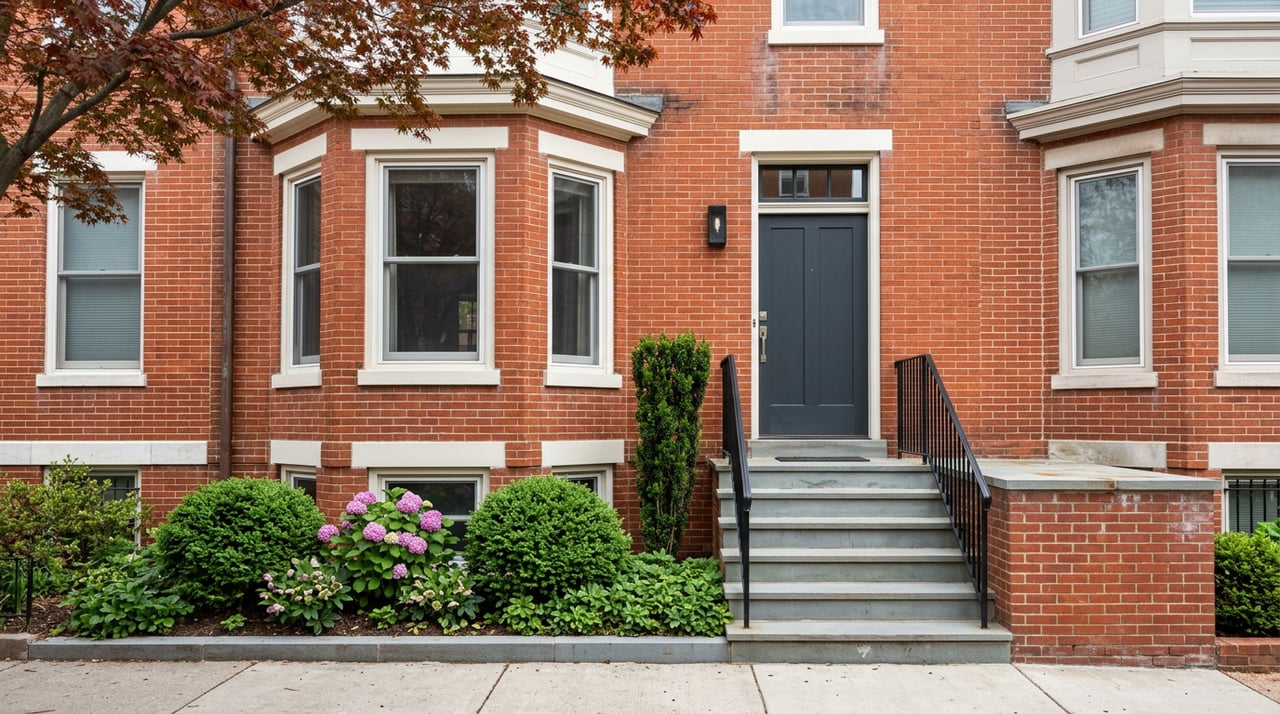
Architecturally, you will see classic 19th‑century brick rowhouses, often with Italianate, Federal, or Victorian details. The Capitol Hill Restoration Society offers a helpful lens on local history and styles in its historic sites tour. Expect active historic-district oversight on many blocks.
Price patterns here tend to sit on the higher end for the Hill. Turnkey rowhouses with modern systems and finished lower levels can push well into seven figures, while modestly updated two-bedroom homes often surface in the mid $700,000s to $900,000s. Exact ranges vary by block and level of renovation.
Walkability is a major draw. Immediate addresses near the market often score in the 90s on Walk Score. Check an address like 225 7th St SE to see how close-by errands and transit compare on the Walk Score site. Buyers also value proximity to Metro on the Blue, Orange, and Silver lines.
For schools, many buyers look at the Capitol Hill Cluster and other DCPS options. Since school access in DC depends on your exact address and the DC lottery system, confirm details through My School DC and the Capitol Hill Cluster School pages.
Lincoln Park is a large green space that anchors the northeast side of the Hill, and the streets around the park feel leafy and residential. Buyers often appreciate the calmer setting and park views.
You will find familiar Capitol Hill rowhouse architecture, with some larger Victorian and bay-front homes along the park’s perimeter. Lots can run deeper on select blocks, which supports larger gardens and flexible outdoor space.
Aggregated reports that combine Capitol Hill and Lincoln Park show median list prices in the high $800,000s, and buyers regularly pay a premium for park adjacency, larger lots, and refined updates. You are still within a comfortable walk of Eastern Market retail and the Metro network, which keeps this pocket competitive.
Stanton Park is a formal square surrounded by handsome rowhouse blocks. The small scale and consistent streetscape create an enclave feel that buyers prize.
Expect restored late 19th to early 20th century homes, typically two to three stories with cohesive facades and strong frontage. The Capitol Hill Restoration Society’s tour resources help you recognize the period details you will see here.
Redfin’s December 2025 snapshot showed a median sale price near $885,000. Renovation level, lot depth, and interior layout can swing price per square foot. Move-in-ready houses often see strong competition due to limited inventory.
Just north of the Hill, H Street NE evolved into an arts and dining corridor with the Atlas Performing Arts Center as an anchor. The area delivers a lively mix of restaurants, venues, and newer development. For background on the corridor’s growth, see the H Street page.
Housing here includes older brick rowhouses, many with modern updates, alongside newer townhome and condo infill. Redfin’s late 2025 snapshot for the broader H Street–NoMa area showed a lower median around $775,000 compared with Eastern or Stanton Park pockets, but variability is high based on product type and renovation. If you want strong amenities with a somewhat lower entry point, this corridor is worth watching.
Capitol Hill rowhouses commonly run two to three stories, with brick facades, stoops, and English basements. Historic character is part of the appeal, and that often comes with rules that shape what you can change.
If a home sits in the Capitol Hill Historic District, most exterior changes and prominent additions require preservation review through HPO and HPRB. Learn how approvals and public notices work by reviewing the DC Office of Planning’s HPO and HPRB updates. Plan for lead times and materials standards for windows, doors, and facade work.
Much of the Hill’s rowhouse fabric is in zones that align with row dwellings, including the R-4 district. Height, stories, and conversions are regulated, and DC has addressed third-story “pop-up” additions through zoning text amendments and Board of Zoning Adjustment processes. Read the R-4 standards in the D.C. Municipal Regulations Title 11, Chapter 400 and verify any past additions were permitted.
Many homes include finished basements or English-basement apartments. Whether a space is legally habitable or can be rented as a separate unit depends on zoning, permit history, and a certificate of occupancy. Legal context and precedent underscore the need to confirm status through public records; a starting point is case law like this D.C. Court of Appeals opinion. Your agent can help you check DCRA and permit histories.
The Hill is known for high walkability, with Eastern Market and H Street addresses often scoring in the 90s. Multiple Metro lines serve the area, including Blue, Orange, and Silver from Eastern Market and Capitol South, with the Red Line and regional rail at Union Station. H Street adds bus and DC Streetcar service for near‑north pockets.
Parking is the tradeoff for central walkability. On-street parking can be tight, and DC uses Residential Permit Parking zones with the ParkDC Permits system for visitor and temporary permits. Before you write an offer, confirm if the block participates in RPP and whether the property has a legal rear pad or garage. Review permit basics and eligibility on DDOT’s ParkDC Permits and RPP page.
School access in DC depends on a mix of in-boundary assignment and the citywide lottery. Many Capitol Hill addresses feed into the Capitol Hill Cluster schools, and families also consider nearby DCPS and charter options. Because assignments change by exact street, always verify for a specific home through My School DC and the Capitol Hill Cluster School site. Waitlists and seat availability shift each year, so plan to check timelines early in your search.
Use this quick list to keep your search sharp and your offer clean:
If Capitol Hill is on your list, the right guidance helps you compare blocks, read renovation quality, and move with confidence when the right house appears. For a focused neighborhood consult and a plan tailored to your budget and timing, connect with Megan Conway. We will map target streets, review live comps, and build a smart offer strategy.
With an extensive network at their fingertips, the Conway Group has developed trusted relationships to provide a streamlined experience from start to finish, while keeping clients at the forefront of every step toward success.
Contact UsAddress
5471 Wisconsin Ave., #300
Chevy Chase, MD 20815