Looking at condos on Capitol Hill can feel simple at first glance, until you realize that one listing near Eastern Market, another near Union Station, and a third on a quieter historic block may offer very different daily experiences and ownership responsibilities. If you are trying to balance location, building style, monthly costs, and long-term maintenance, it helps to know what really changes from building to building. This guide walks you through the key considerations so you can evaluate a Capitol Hill condo with more confidence. Let’s dive in.
Capitol Hill is often discussed like a single neighborhood, but it functions more like a collection of micro-markets. The area includes historic residential blocks, transit-connected corridors, and a mix of older and newer housing.
That matters because your experience can vary a lot depending on where you buy. A condo near Eastern Market may offer a different rhythm from one closer to Union Station or the H Street corridor, even if all three are marketed as Capitol Hill.
Eastern Market sits in the heart of historic Capitol Hill and remains DC’s oldest continually operating public fresh food market. The nearby Eastern Market Metro station serves the Orange, Blue, and Silver lines, which can make commuting and getting around the city easier.
Union Station is another major anchor nearby, with access to the Red Line, Amtrak, MARC, VRE, and Greyhound. The H Street corridor, which runs from Union Station to 17th Street NE, continues to be an active commercial and redevelopment corridor.
For you as a buyer, this means location is not just about map distance. It is about how the block fits your routine, whether you want quick transit access, and how much activity you want right outside your door.
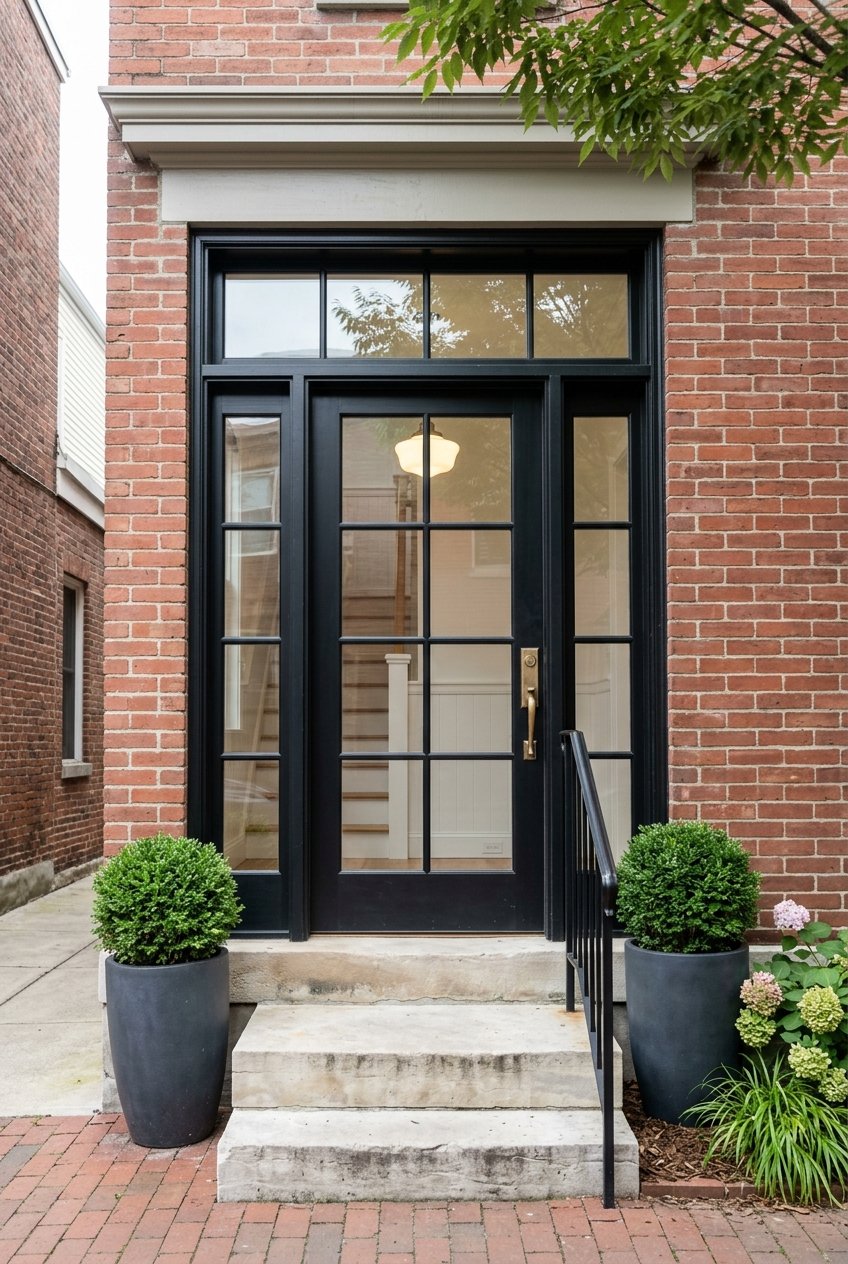
Capitol Hill’s housing fabric is shaped by its historic rowhouse pattern. In many cases, that means the condo inventory leans more toward conversions and infill than large, amenity-heavy tower buildings.
You may see stacked one-bedroom units, compact two-bedrooms, duplex-style layouts, and occasional triplex or alley-building conversions. These homes often feel more individualized than condos in larger, more standardized buildings.
Because Ward 6 includes both old and new housing, it is worth comparing each unit on its own terms. Two condos with similar square footage can live very differently based on layout, light, storage, and common-area setup.
Older conversions often feel more townhouse-like and may offer character that buyers love. At the same time, they may have fewer shared amenities and less standardized floor plans.
Newer or recently renovated buildings are more likely to have a more uniform layout and a fuller amenity package. That can include features like elevators, parking, roof decks, or shared storage, depending on the building.
The key is to look beyond the headline features. A lower-fee building may have fewer common expenses because it is simpler, while a higher-fee building may reflect the real cost of operating and maintaining more systems and amenities.
A monthly condo fee only tells part of the story. What matters most is whether the fee lines up with the building’s age, systems, and amenity load.
Buildings with elevators, parking, roof decks, shared storage, or other common features usually need larger operating budgets than simpler conversion buildings. So instead of asking whether a fee is “high” or “low,” ask what it covers and whether the association appears to be budgeting responsibly.
This is especially important in Capitol Hill, where older properties and smaller associations are common. A modest fee can look attractive up front, but it may not be enough if the building has major repair needs coming.
Many Capitol Hill condos are located in historic properties. If a building is within the Capitol Hill Historic District, exterior changes may be more tightly regulated than in other parts of the city.
DC’s Historic Preservation Office says owners of historic properties should seek review for exterior repairs, alterations, and changes. Larger additions or alterations generally require review, and that can include front and side additions, major facade changes, and roof additions or roof decks visible from a street.
If you are considering a unit with roof rights, a terrace, or future renovation plans that affect the exterior, do not assume the work will be straightforward. You will want to confirm what the condo documents allow and whether preservation review would be required.
Capitol Hill is one of Washington’s oldest residential neighborhoods, and many condo buildings reflect that age. Even a well-presented home may have older plumbing, electrical, or structural components behind the walls.
DC’s home-buying guidance recommends inspections that test plumbing and electrical systems, check appliances, and look for structural issues. In an older condo, that advice becomes even more important.
You should ask about the age and maintenance history of major systems, along with any recent replacements. It is also smart to understand whether the building has stayed ahead of maintenance or whether deferred work could lead to future special assessments.
In DC, sellers are required to provide condominium instruments and a certificate to the buyer on or before the 10th business day after contract execution. After you receive those documents, you have a 3-business-day right to cancel.
That certificate is important because it includes information about reserves, planned capital expenditures, pending suits or judgments, and insurance coverage provided by the association. In other words, it gives you a snapshot of the building’s financial and legal health.
This is not paperwork to skim. For a Capitol Hill condo, the documents can tell you just as much as the finishes inside the unit.
Reserve strength is one of the most important parts of condo due diligence. DC law requires disclosure of reserves for capital expenditures, contingencies, and improvements, which helps you assess whether the association is preparing for future repairs.
If the building is older, this becomes even more meaningful. Roof work, masonry repairs, common-area systems, and water management issues can be expensive, and underfunded reserves can increase the odds of a special assessment.
You should also look for planned capital projects and compare them to the reserve position. A building may be well run and still have upcoming costs, but you want to know about them before you close.
Unpaid assessments also deserve attention. DC law gives associations a statutory lien for assessments and the power of sale to enforce that lien if necessary.
For you, the practical takeaway is simple. Ask whether there are unpaid assessments, review any known delinquency issues, and understand any upcoming common-expense obligations.
Pending lawsuits or judgments should also be reviewed closely. They may affect the building’s finances, insurance, or future costs, and they are part of the required disclosure package.
Insurance can be easy to overlook until you need it. The DC Department of Insurance, Securities and Banking explains that condo owners own the interior walls and floor of the unit and may be responsible for repairing them if damaged.
Some associations may also assess owners for certain building damage. That is why it is important to understand both the association’s master policy and what owner-level coverage may be needed for your unit interior and possible assessments.
Before closing, make sure you know where the association’s coverage stops and your own responsibility begins. That clarity can help you avoid surprises later.
DC’s home-buying guidance recommends reviewing condo or cooperative bylaws and financial documents during the contract period. Those materials can help you understand monthly fees, association financial circumstances, quiet hours, pet policies, and other rules that shape daily life.
This matters in every condo purchase, but especially in smaller Capitol Hill buildings where house rules and shared expectations can have a big impact. A building may be a strong fit on paper, but the bylaws still need to match how you plan to live in the home.
Depending on the condo and your eligibility, DC programs may also factor into your purchase. The Home Purchase Assistance Program offers interest-free loans and closing-cost assistance for qualified buyers purchasing condos in DC.
As of FY2026, the program page listed up to $202,000 in gap financing assistance plus $4,000 in closing-cost assistance. For some buyers, that can materially change what feels possible.
The Inclusionary Zoning program can also matter in certain new or renovated condo or townhome developments. Buyers of an IZ unit must annually confirm it is their principal residence and must contact DHCD when selling or refinancing so the affordable resale price can be set.
Because Capitol Hill condos vary so much, it helps to use a consistent checklist when you compare options.
A great condo search in Capitol Hill is not just about finding the prettiest listing photos. It is about matching the building, block, and ownership structure to the way you want to live.
If you want help comparing Capitol Hill condo options with a more local, building-by-building lens, Megan Conway can help you sort through the details and identify the right fit for your goals.
With an extensive network at their fingertips, the Conway Group has developed trusted relationships to provide a streamlined experience from start to finish, while keeping clients at the forefront of every step toward success.
Contact UsAddress
5471 Wisconsin Ave., #300
Chevy Chase, MD 20815